
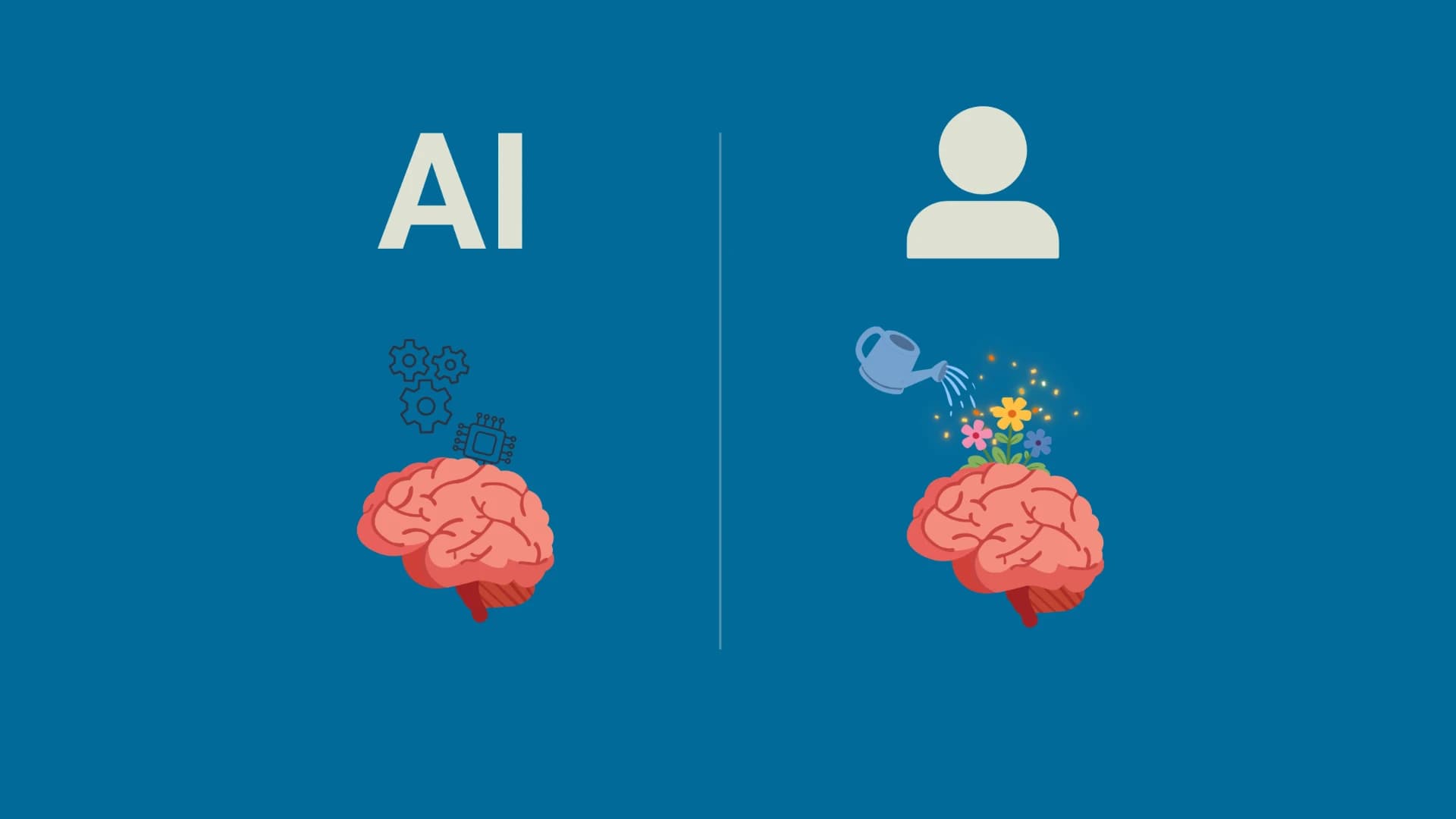

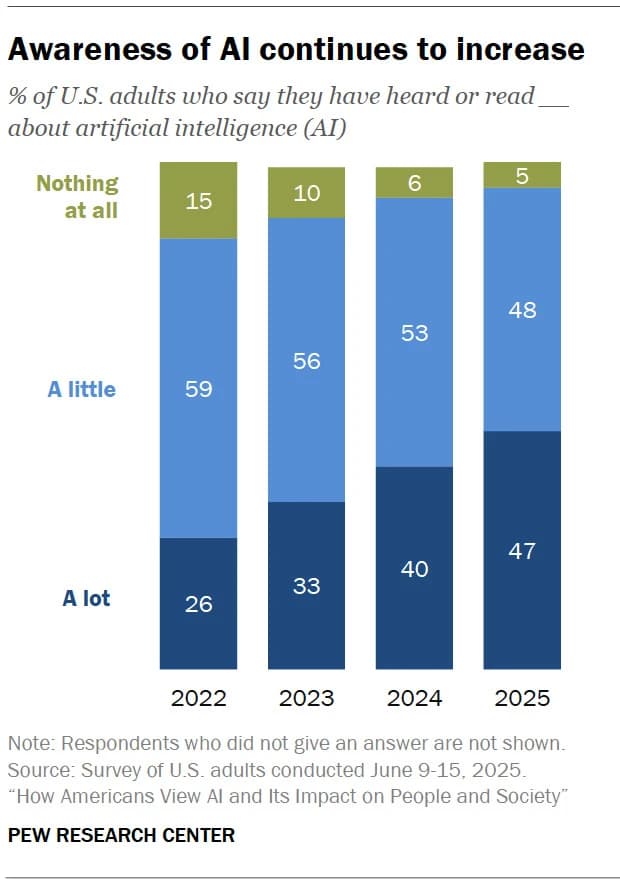
Artificial intelligence is, first and foremost, a tool—and it is important not to lose sight of that. Many people have already interacted with neural networks—systems where the respondent on the other end isn't a real person with their own thoughts and quirks, but an artificial intelligence that is obliging, polite, constantly adapts to the user's requests, possesses vast knowledge, and is always available. It might seem obvious which one makes for a better "friend," but let’s take a closer look at where such interactions can lead. Here are the statistics, showing a year-over-year increase in human interaction with artificial intelligence.
We’re moving right along—and starting with our strongest cards—by presenting a list of states that can arise when interacting with neural networks:
- Anxiety
- Depression
- Irritability
- Paranoia and delusions
- Isolation
- Impaired critical thinking
- Memory deterioration
- Loss of concentration and ability to focus
- Loss of touch with reality
- Delusions of grandeur (or megalomania)—a symptom in which a person greatly exaggerates their own importance, wealth, power, or genius
- AI anxiety—a psychological state of unease and fear caused by the rapid development of artificial intelligence and its impact on human life
- Attributing human qualities (such as empathy or expertise) to AI
Now, to ensure this list doesn't seem fabricated, let us describe a few studies and cases that are appearing online with increasing frequency.
- A chatbot drove teenagers to their deaths. It is important to note that teenagers are children who, due to the unique nature of this transitional period, tend to perceive everything quite emotionally. It is one of the most intense crisis periods in a person's life. In this instance, the child was already experiencing suicidal thoughts and chose to share them with a chatbot. The teenager’s actions are somewhat understandable; he likely wanted to handle the situation on his own and avoid alarming his parents and friends, perhaps fearing he wouldn't be understood. The chatbot could have served as the source of "understanding support" he needed, yet—for some reason—the neural network failed to recognize the crisis and instead suggested truly terrible things to the vulnerable child (such as writing a suicide note).
- Research has shown that frequent use of AI can trigger irritability, anxiety, and even depression. A key finding of the study is that the more a person interacts with AI, the greater the likelihood of these reactions and states manifesting.
- Here is another study examining how the use of AI tools affects critical thinking. The study found that higher levels of AI tool usage are associated with a decline in critical thinking abilities.
- A study on privacy in more personal and intimate interactions with AI. People trust AI more than other people, yet they still harbor concerns regarding privacy.
- Real-life cases of psychosis and delusions of grandeur resulting from interactions with AI—cases that ended, to put it mildly, tragically.
- Links to videos featuring people concerned about AI development and potential future scenarios: the threat AI poses to humanity, calls to ban superintelligence, warning signs, rollback of the new version of ChatGPT аnd Trump on superintelligence.
These are just a few studies and opinions raising concerns—concerns that are growing in number. We are not saying that AI is evil; it is a tool that is reshaping our lives, and we need to approach it with a cool head.
An important point to note is that people in crisis situations, teenagers, highly sensitive individuals, and those with psychological or mental health conditions are at-risk groups, as they are more vulnerable during such times.
Do not forget that the best "remedy" against AI is critical thinking, privacy, and data verification.